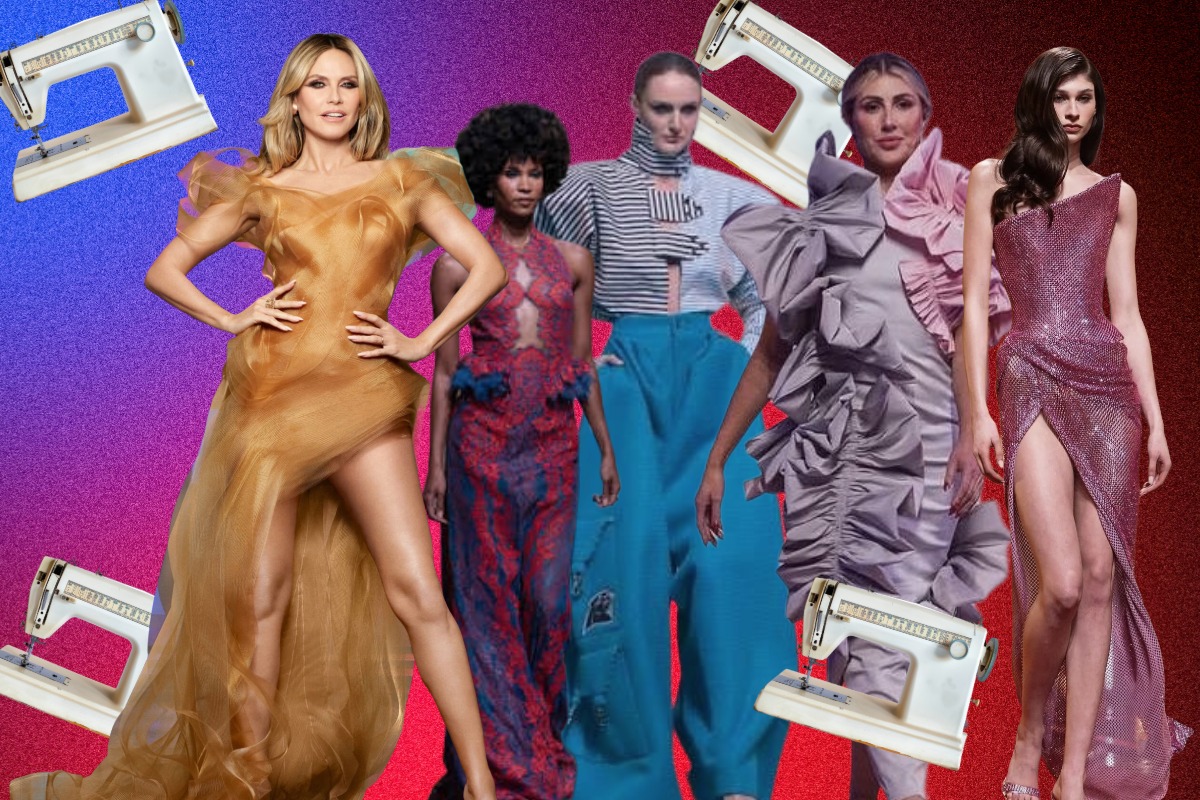
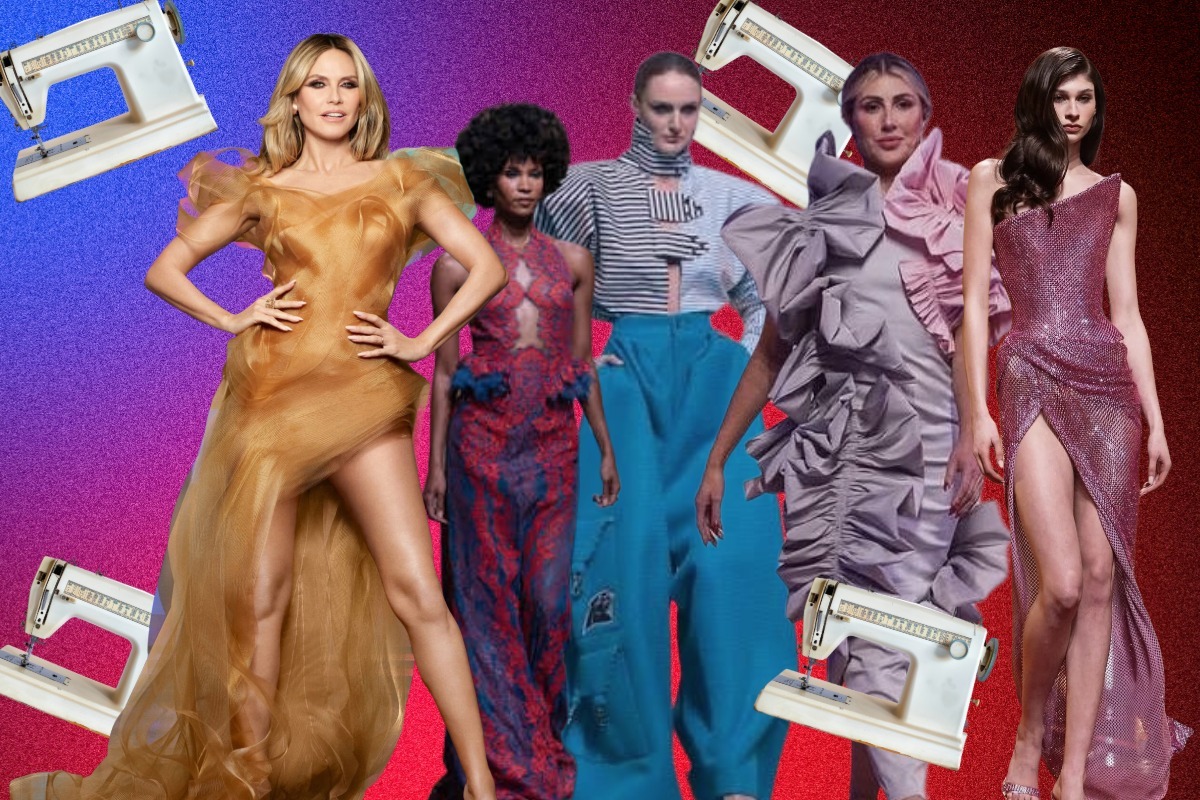
Project Runway broke barriers and taboos in the early 2000s by bringing to TV the not-so-glamorous side of the creative process in the fashion industry. Breaking the fourth wall meant allowing viewers to see designers being vulnerable in the middle of the creative process: pivoting an idea when a time crunch works against them, and searching for a middle ground between pleasing the judges and staying true to who they are.
The concept itself was fascinating because it demystified a lot of misconceptions about what a fashion designer is and should be. Throughout the seasons, we've seen designers who attended the most prestigious design schools and lived in big cities, alongside self-taught designers from rural communities. This richness of perspective fueled a broader conversation about how different voices are needed in the fashion industry, and at times it even questioned what should be considered fashion at all.
The mentorship of Tim Gunn, who served on the faculty of Parsons School of Design from 1982 to 2007, gave designers a perspective on their work that was extraordinarily helpful, both for them and for the viewer. His presence invited the audience into the room where the decision-making, patternmaking, and construction actually took place.
But somewhere during reality TV's continued evolution, the show may be losing the plot. Its 22nd season just ended with mixed reviews, choppy editing, and a sense that fashion had become an afterthought while drama took center stage. Let's unravel what's going on, and some of the factors that may be reshaping one of the most successful fashion reality shows on television.
Time and Money
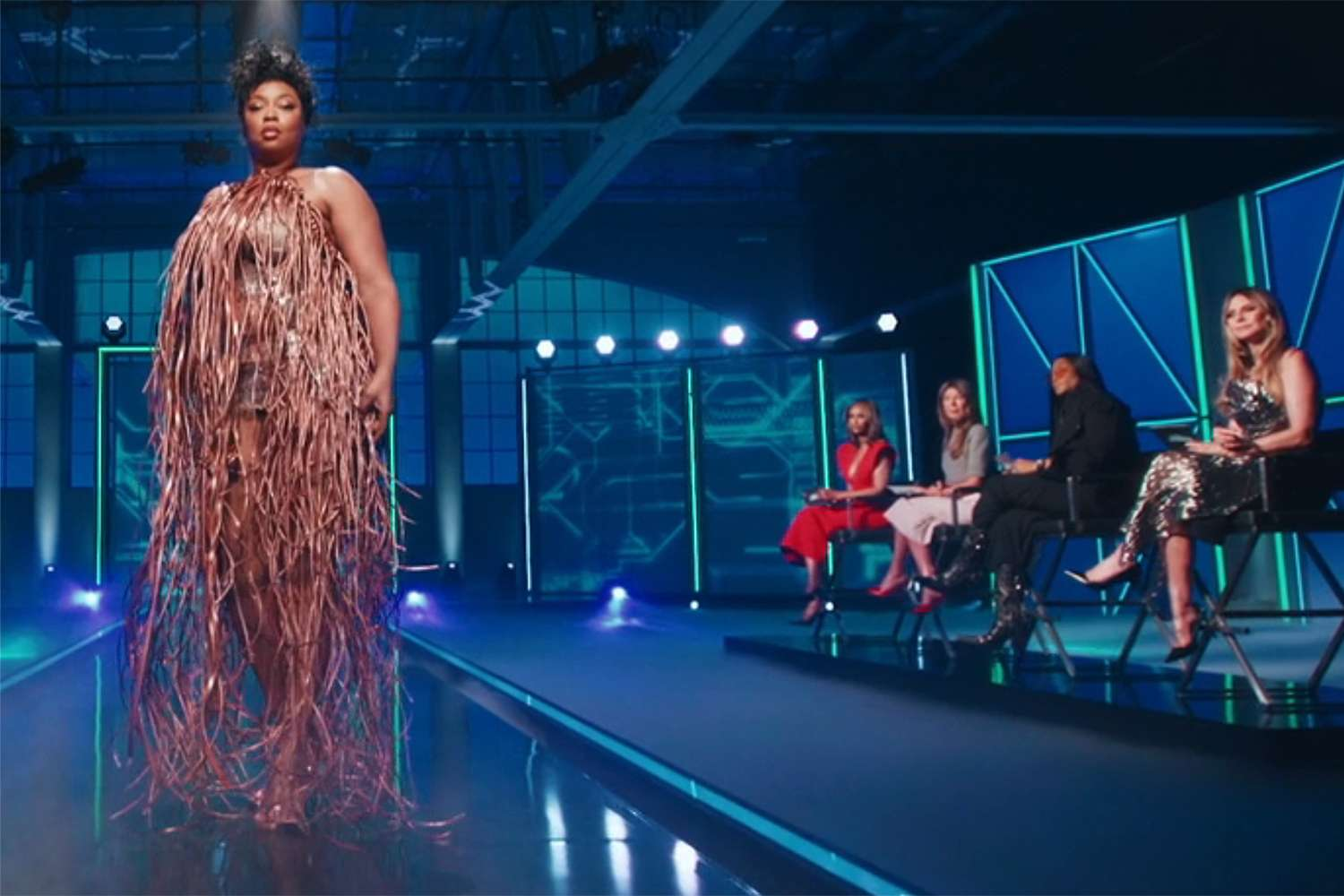
In the first seasons of Project Runway, which premiered over twenty years ago, finalists had the privilege of more generous resources: time and money. They had to create a 12-piece collection over a period of 12 weeks. A bigger collection is more work, but it also allows a designer to show range, tell a story, and ensure their point of view comes across consistently. To build their final collections, finalists had a budget of $8,000 — just shy of $14,000 today when adjusted for inflation.
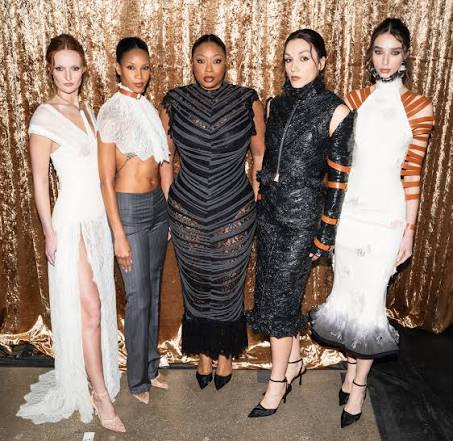
For the Season 22 finale, the final four had one week, or five days, to create a five-piece collection on a budget of $7,500. That budget allows for each look to cost roughly $1,500, but there are only so many materials and resources a designer can source in that small a window, and for that small a collection.
In the earlier seasons, finalists were allowed to go home. They had the opportunity to reconnect with the people in their immediate circle. They kept working, but they also had a chance to reconnect with the places, sounds, food, colors, and people that defined their story and their identity. This part of the finale was fascinating to watch, because it revealed the true diversity of backgrounds among each season's most talented designers. Households of all sizes and from all walks of life followed the paths of finalists who inspired viewers to see themselves represented in these stories.
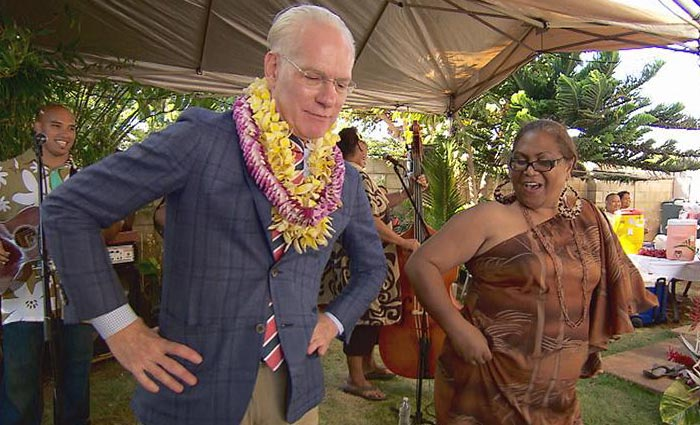
Tim Gunn traveled across the country to check in on each designer and share his wise, succinct, and thorough point of view, while getting to know a little more about the place where each designer grew up. Fans still remember when, in Season 13, Gunn traveled to Hawaii to visit Kini Zamora and took part in a traditional luau.
The contrast with Season 22 couldn't be starker. Designers don't seem to get a break between the end of the challenges and the start of work on their final collection. With only five days to create their looks, the time limit significantly narrows the design possibilities available to them. In past seasons, we watched designers make their own prints, laser-cut fabric, and mold their own jewelry. Those processes take time that simply isn't given anymore, and the outcome suffers as a result.
The show was originally pitched as a way to bring the audience behind the scenes of the fashion industry. But in the real world, designers don't have to produce five looks in five days. Time and money are constraints in every industry, yet fashion designers typically plan their collections roughly 18 months in advance, giving enough space to the process of inspiration, research, and understanding their customer before they even start to sketch. They are encouraged to leave the workroom and draw inspiration from people, culture, color, books, sound, food, and their surroundings.
In the fashion industry, understanding a concept and the research behind it is just as important as the finished product that ends up on the runway or in a window display. Unfortunately, the scenes of designers sketching against the New York skyline or brainstorming out loud have largely been cut from this season, replaced by hollow arguments manufactured in the name of reality TV.
Then there's the intellectual piece that's gone missing entirely. The feedback of outstanding American designers like Michael Kors and Zac Posen, who served as judges for many seasons, is sorely missed. There's nothing wrong with a little debate during judges' critiques, but in the newer seasons, that friction has become the central plot point, while the substantive feedback designers actually need has been pushed to the margins.
This shift matters beyond nostalgia. A generation of viewers now discovers Project Runway through short clips rather than full episodes, and the clips that travel best on social media are rarely the quiet moments of a designer solving a construction problem. They're the confrontations: a tearful outburst in the workroom, a judge delivering a cutting one-liner, a rival calling someone's garment a costume rather than a collection. Producers know this, and the editing increasingly reflects it. The result is a feedback loop where drama gets rewarded with attention, and attention shapes what gets filmed and aired in the first place. Fashion, the show's original subject, becomes the backdrop rather than the point.
The Case of New York City
There are endless stories of creative people arriving in New York City with nothing, seeking an opportunity to succeed. There's the well-known story of Madonna arriving in 1978 with $35 in her pocket and building a career from there. Bob Dylan and Patti Smith had similar stories. Inexpensive housing welcomed creativity from every corner and made New York City a place that didn't just uplift new talent, but actively inspired artists across disciplines.
Broadway performers, designers, painters, writers, and dancers all shared a kind of safe creative space. In the early 2000s, average rent in New York City ran between $630 and $1,100 a month. Today, it's closer to $3,650 to $4,200 a month — a shift that has quietly reshaped who can afford to chase a creative career in the city at all.
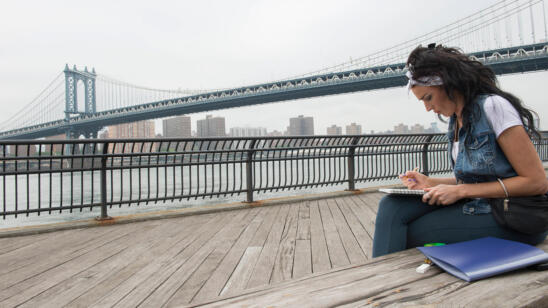
In the early seasons of Project Runway, several challenges leveraged the city itself as a source of inspiration. One challenge assigned each designer a bridge from the five boroughs as their muse. Others sent designers to Broadway musicals for inspiration drawn from the performing arts, or asked them to distinguish between an Upper East Side customer and a Downtown customer and design accordingly.
That idea of going out into the world for inspiration, and designing with the customer in mind, traces back to Yves Saint Laurent, who in the 1960s described fashion as a democratized idea meant to serve clients rather than a concept imposed on them. Saint Laurent would sit on the streets of Paris and watch people walk by, imagining their lifestyles, hobbies, and personalities, then build clothes around those ideas.
The process of research and outdoor sketching was never performative. It was an intentional part of the creative process, meant to let viewers understand each designer's perspective and feel more engaged in what they were creating. That entire process now seems to have been edited out of nearly every challenge.
There's no shortage of reality shows built on people arguing, swelling dramatic music, and rapid zoom-ins meant to trick the viewer into believing the whole thing is unscripted rather than carefully choreographed. That formula is easy to produce and easy to market, but it isn't what made Project Runway stand out in a crowded field of competition television to begin with. Plenty of shows already do conflict well; only this one had the credibility, the mentorship, and the access to actually teach an audience how fashion gets made.
Project Runway has the chance to stand out like a cube in a room full of spheres if it returns to what made it special: fashion as the core argument of the show, with drama, arguments, and breakdowns as the inevitable branches that grow out of that core, not the trunk itself. Right now, the core has become drama, division, and conflict among contestants and judges, with the clothes almost incidental to the story being told.
If the show wants to reclaim its place as appointment viewing for people who genuinely care about fashion, and not just people who want to watch strangers fight under studio lighting, it needs to remember what set it apart in the first place: real designers, given real time and real resources, wrestling honestly with a creative problem. That was always the drama worth watching. Bring back the original Project Runway.