.png)
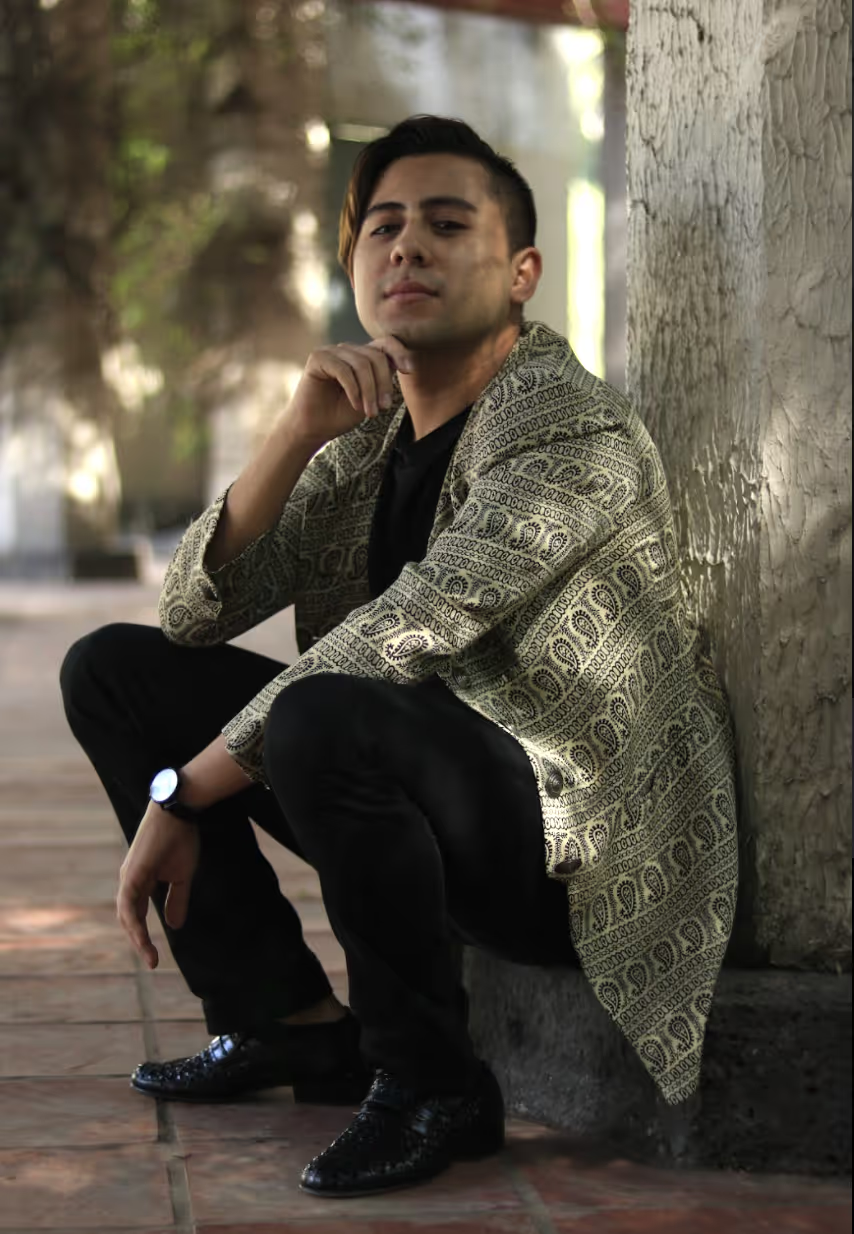
There is a scene that plays out thousands of times a day across the world. It’s the same formula. A politician steps in front of a camera, takes a position at a podium, or walks through a crowd of voters. Before a single word is spoken, a judgment has already been made. It happens in fractions of a second — an instinctive read of posture, expression, and, inevitably, clothing. Fashion, whether politicians acknowledge it or not, is a form of communication as old as politics itself.
In the ancient world, Roman senators wore togas edged with purple to signal rank. Medieval kings draped themselves in ermine and gold to project divine authority. Today, a well-chosen lapel width or the absence of a tie can send an equally loaded message to a modern electorate. In special events such as the State of the Union of primetime interviews, the outfits seem to be more carefully throughout, but the stakes have only grown sharper in the social media age, where a single photograph can travel globally within hours, and where visual identity is scrutinized with the same intensity as a policy position or a debate performance.
And yet, for too long, the conversation about political dress has been disproportionately focused on women in politics: what they wear, what it signals, whether it distracts from their authority or reinforces it. The reality is that male politicians are equally subject to the visual grammar of fashion, even if the scrutiny is less overt. A rumpled suit suggests disorder. An overly stiff ensemble signed by a European fashion house can read as out of touch. The wrong tie color in the wrong context can undermine an entire message. But when it is done well — when the clothing fits the man, the moment, and the message — political fashion becomes an invisible yet powerful asset.
This list of best-dressed male politicians, organized in no particular order, is not meant to be a style ranking. It is an argument. It’s an argument about thoughtful dressing being a legitimate form of political intelligence, and that the men profiled here have, consciously or otherwise, understood something important: that what you wear is part of what you say.
Governor Gavin Newsom — California, USA
There is something almost quietly revolutionary about watching a sitting governor show up to a nationally televised interview in a well-tailored suit with no tie. It sounds small. It isn't. The tie has been an unspoken requirement of formal male dress for well over a century, and its grip on political attire — even as workplace norms have shifted dramatically — has proven remarkably stubborn. Gavin Newsom, the Governor of California, has become something of an inadvertent pioneer in dismantling it.
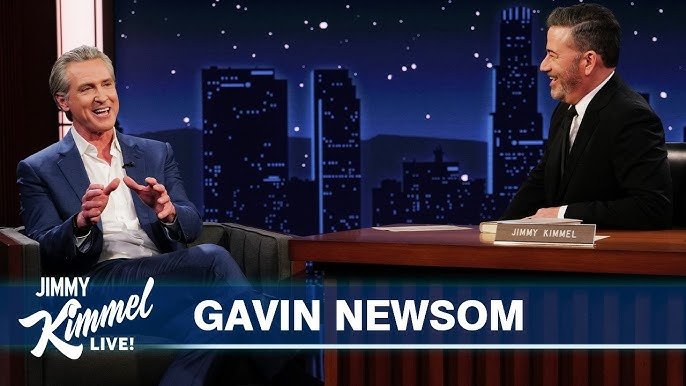
In his regular appearances at interviews, podcast recordings, and public meetings, Newsom typically wears a slim, well-fitted blue suit paired with a crisp white shirt, open at the collar. The absence of a tie is not a careless second thought— everything else is immaculate: the suit is pressed, the fit is precise, the shirt is clean. The result is a studied kind of ease, a look that says: I take this seriously, and I'm also present in the room with you. In the blistering heat of a California summer, where temperatures can climb well past a hundred degrees, the effect is also practical, and voters notice that kind of instinctive relatability.
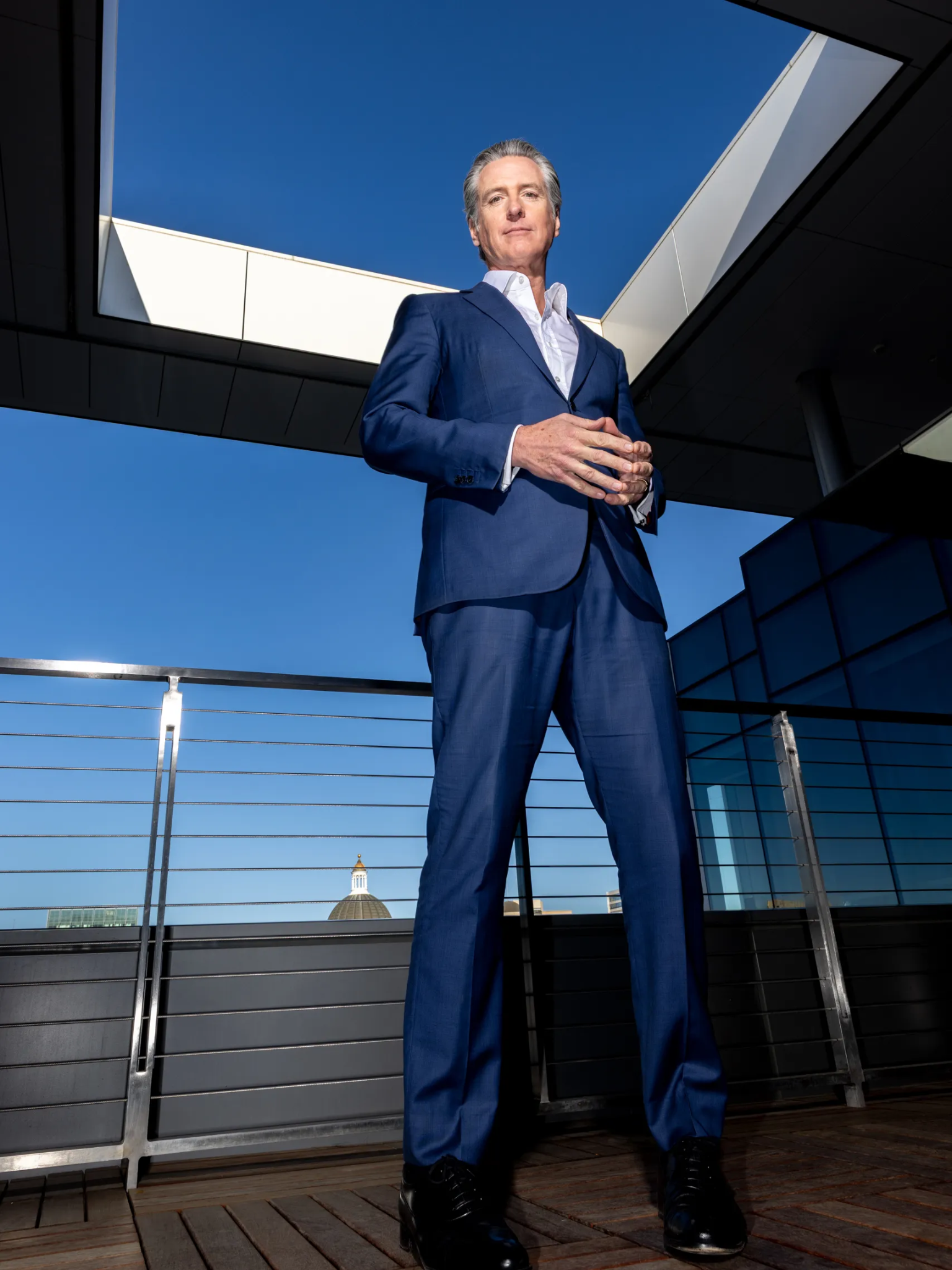
The lesson here is subtle but worth stating plainly: removing the tie is not the same as dressing casually. When everything else is executed with precision: the cut, the fit, the fabric, a tieless suit can read as more authoritative, not less. It is polish without stiffness. It signals a politician who understands the moment he is in.
Mayor Randall Woodfin — Birmingham, Alabama, USA
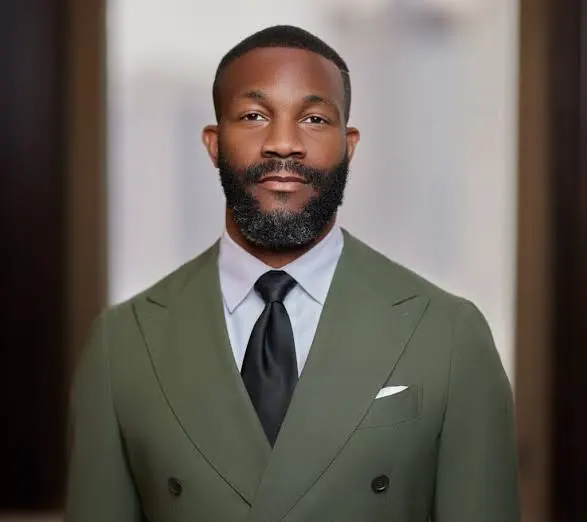
Randall Woodfin, the 34th Mayor of Birmingham, Alabama, has built a quietly distinctive wardrobe around a single, elegant principle: monochrome dressing. His signature move is matching his tie to the primary tone of his suit, and it allows him to wear a wider range of colors than most politicians would dare, without ever looking theatrical. The discipline is the point.
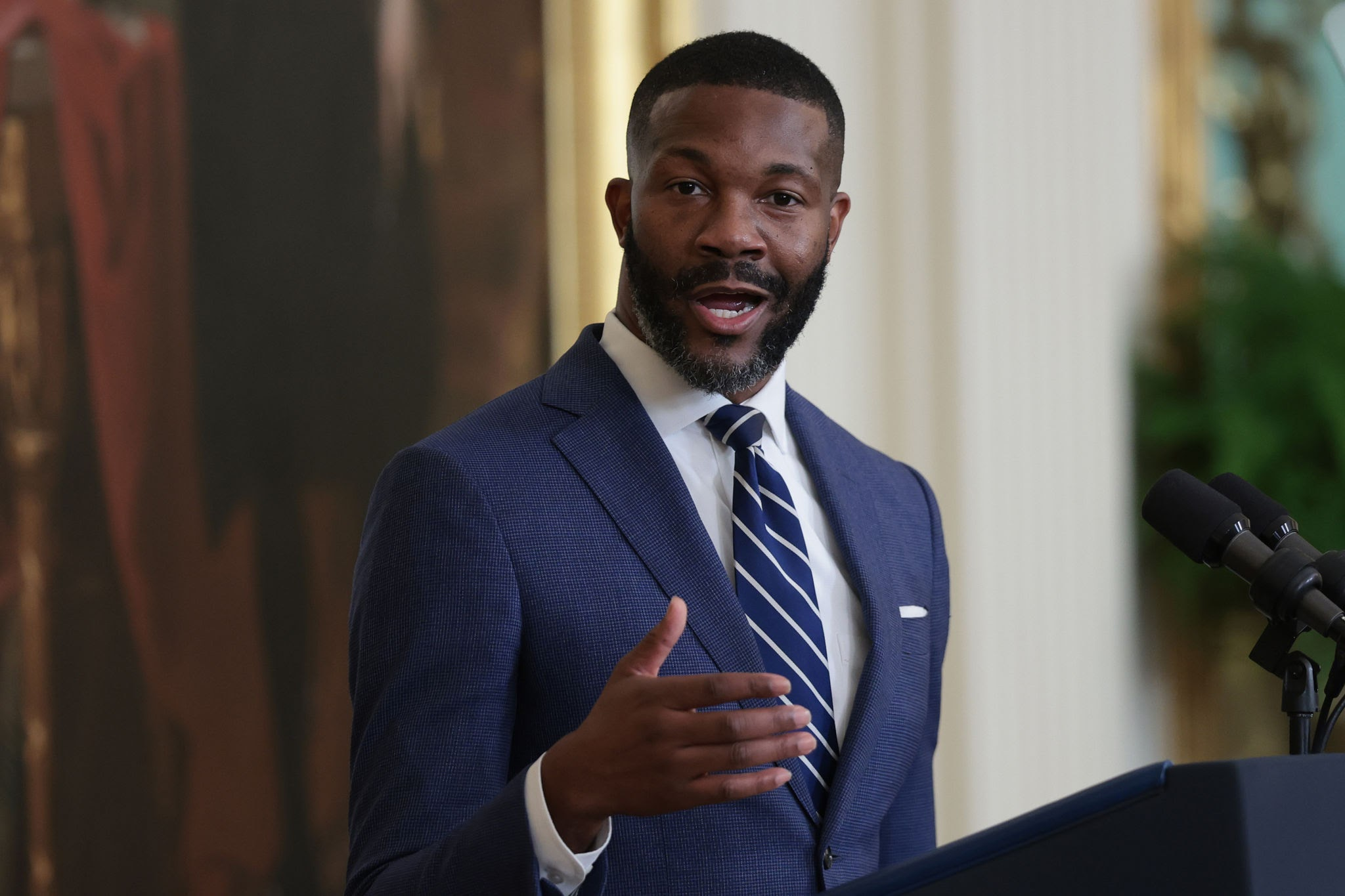
What makes Mayor Woodfin's approach work is the infrastructure beneath the creativity. His suits are impeccably fitted, with wide lapels that sit in pleasing proportion to his shoulders and torso. The tailoring is exact. It is this level of precision that earns him the permission to experiment. It seems as though we should take good tailoring for granted but there’s plenty of public figures out there, walking around with floppy sleeves and long hems. In formal menswear, the license to play with color or detail is always borrowed from the quality of execution everywhere else. Mayor Woodfin seems to understand this intuitively, and the result is a wardrobe that reads simultaneously as serious and alive.
President Emmanuel Macron — France
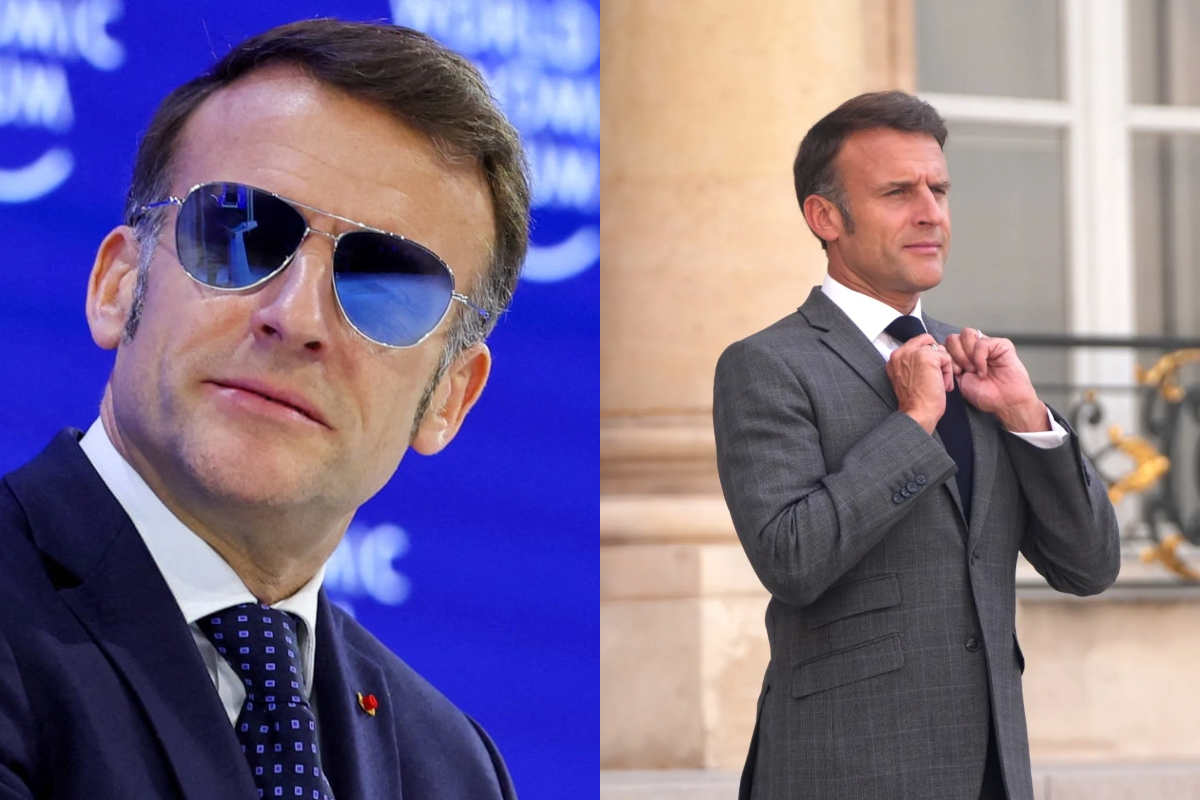
Very few sitting heads of state carry the kind of fashion authority that Emmanuel Macron commands on a global stage. The President of France occupies a unique position at the intersection of politics and haute couture — he is, after all, the leader of a country where fashion is a national industry, a cultural export, and a matter of genuine pride. His choices, intentional or otherwise, carry weight far beyond the runway.
The most striking recent example came at the World Economic Forum in Davos, where Macron appeared wearing a pair of aviator sunglasses, valued at around 600 euros, that he had purchased in 2024, deliberately selecting a frame made through a Franco-Italian collaboration, with components produced in both Martignacco, Italy, and Lons-le-Saugnier, France. The choice was, in other words, a political act dressed as an accessory. When photographs of Macron wearing the sunglasses indoors circulated widely, the response was extraordinary: the manufacturer, iVision Tech, reported that their website crashed under the surge of traffic. A pair of glasses had become an international news story.
What the episode illustrates is the peculiar power of the presidential gaze in fashion. Macron wears his clothes with a quality that is difficult to quantify but easy to recognize — a sense that each element of his appearance has been considered, and that the consideration reflects a broader set of values: European craftsmanship, cultural identity, and the confidence to wear something striking without apology.
Prime Minister Rob Jetten — The Netherlands
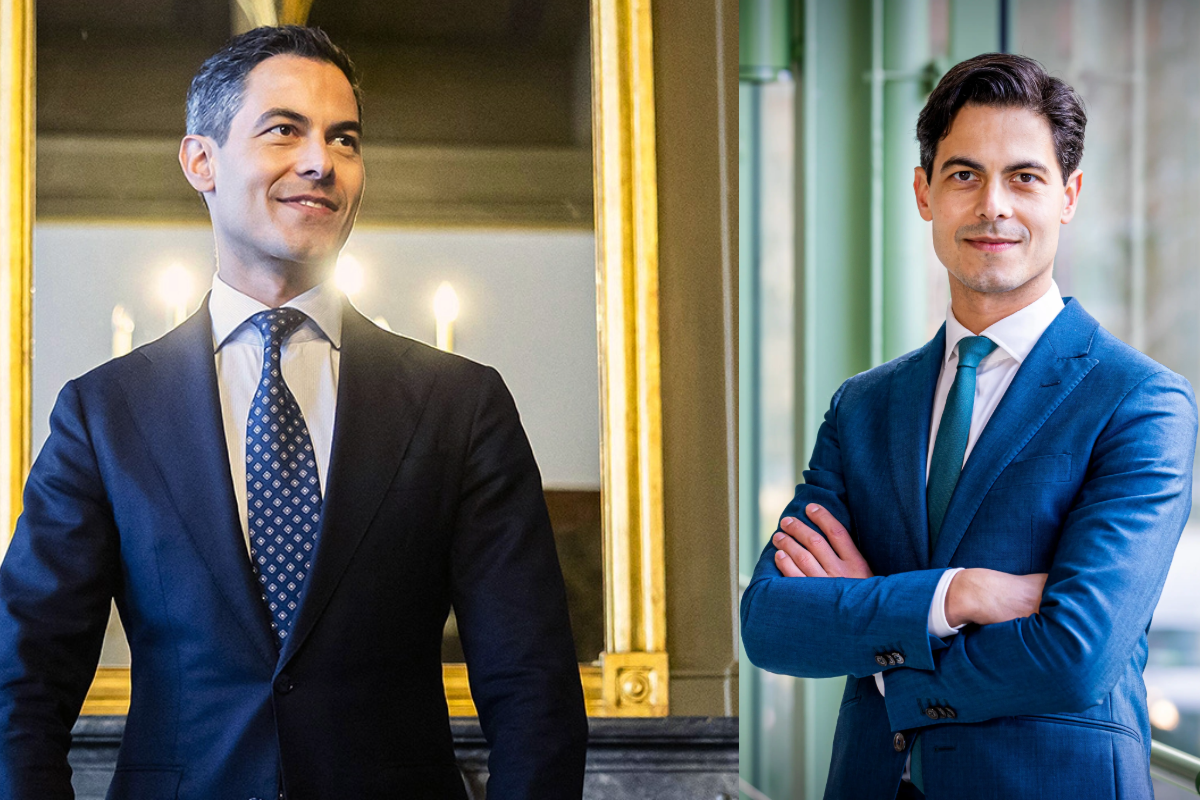
Rob Jetten became Prime Minister of the Netherlands at 38 years old, becoming simultaneously the youngest, the first LGBT, and the first openly gay man to lead the country's government. His presence in that office is historic. So, in its own quieter way, is the cut of his suit.
The prevailing orthodoxy in millennial menswear, that suits should feature slim lapels and slim ties, has thickened into something close to a uniform in political dressing. There’s nothing wrong with this formula if executed properly, it’s simply a literally narrow-minded way of thinking about formal menswear. Jetten rejects it. His suits carry a wider, more traditional lapel, worn with ties of corresponding heft, and the effect is both distinctive and surprisingly contemporary. Where many politicians his age look like they are dressed for a startup pitch meeting, Jetten looks like he has arrived to govern.
The key is that his suits possess a clearly defined aesthetic signature. They are not simply wide in a ‘retro way’; they are shaped with intention, and he wears them with the ease of someone who has genuinely made the style his own. The color choices are considered, the fits are precise, and the overall effect challenges the narrow consensus that there is only one way for a young male politician to dress. There isn't. There never was.
Prime Minister Bart De Wever — Belgium
Bart De Wever has made his tailoring a subject of international conversation in a way that very few politicians anywhere have managed. His suits are primarily made in Antwerp, a deliberate choice that functions simultaneously as personal preference, regional pride, and soft political statement. "He is an ambassador of our fashion city," the Antwerp-based fashion designer Guy-David Lambrechts has said.
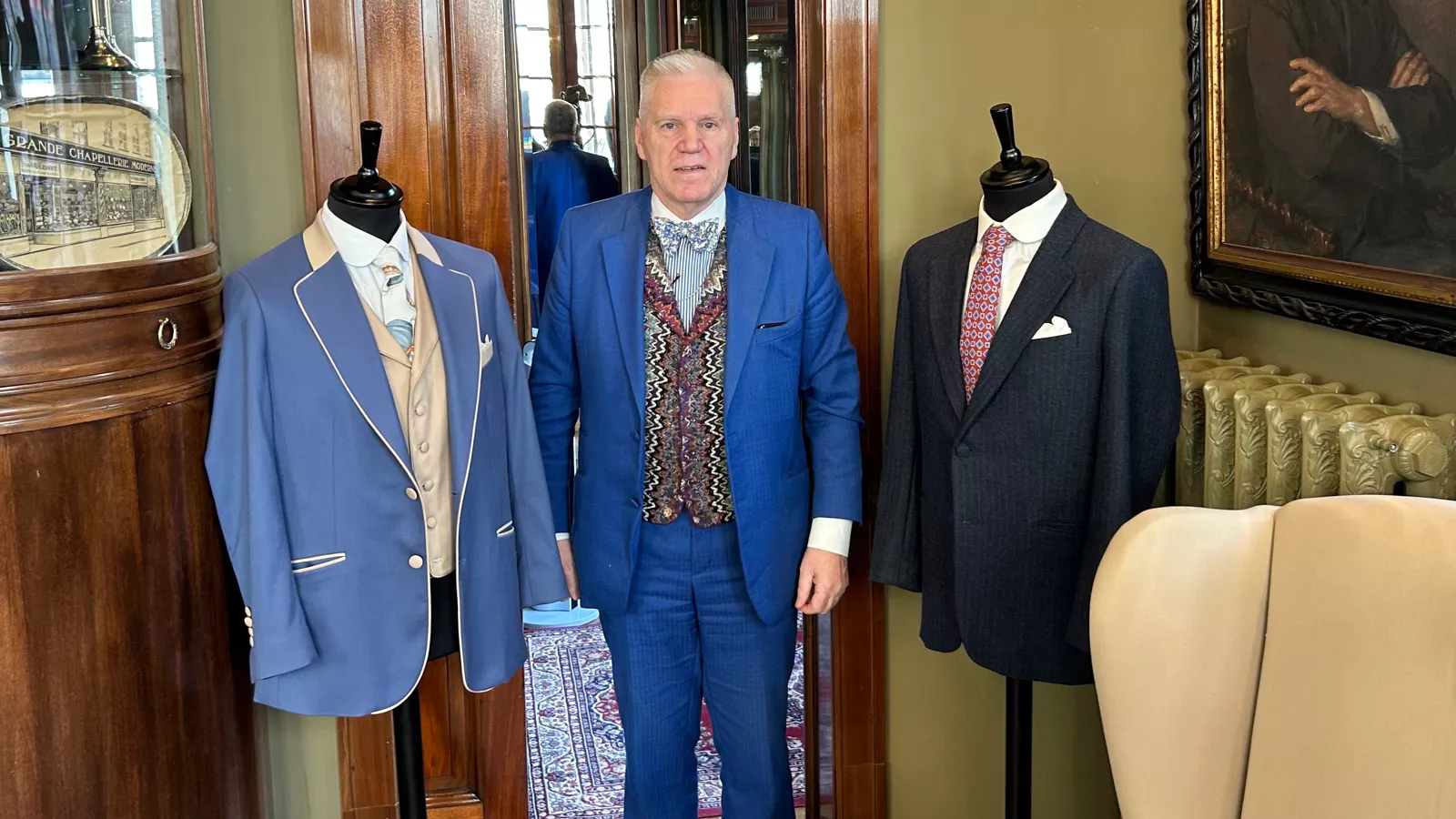
De Wever's wardrobe is more adventurous than almost any of his political peers. He regularly wears his suits with a vest, which in itself is a political fashion rarity among sitting heads of government. Furthermore, he has shown a willingness to incorporate details like piping and contrast lapels that would make most politicians' communications advisors visibly nervous. Some of these experiments land better than others; the more layered combinations can tip toward the overdressed. But there is something genuinely compelling in the underlying intention.
His most successful signature is a suit featuring contrast piping and a differently colored lapel, which he has worn in several colorways and which has become as recognizable an element of his public image as Barack Obama's preference for navy and grey suits, or Kamala Harris's commitment to the structured pantsuit. These are not accidents. They are the kinds of repeated visual choices that gradually accumulate into identity, something a politician comes to be associated with, not just in their own country, but in the wider world where images of them travel. When fashion accomplishes that, it has done something remarkable: it has crossed borders without translation.
The Bigger Picture: Why This Matters
The question worth sitting with is not which of these politicians dresses best. It is what their collective example reveals about the relationship between political authority and personal presentation in the twenty-first century.
We are living through a peculiar moment in that relationship. On one hand, the formalities of political dress are loosening in ways that would have been unthinkable a generation ago, no-tie suits, saturated colors, personal signatures replacing institutional uniformity. On the other hand, the scrutiny has never been more intense. Every appearance is photographed from dozens of angles, dissected on social media, and absorbed into a global conversation about what a leader looks like and what that appearance communicates.
The politicians profiled here have navigated that tension with varying degrees of self-awareness, but all of them have arrived at a version of the same conclusion: clothing is not separate from the work of politics. It is part of it. A well-chosen suit does not guarantee credibility, but a poorly chosen one can erode it. A signature look does not define a legacy, but it can shape how a leader is perceived and remembered — the visual shorthand through which they become recognizable across languages and cultures.
Perhaps the most important argument this list makes is the most straightforward one: there is no single formula.
In politics, clarity of communication is everything. These men have found a way to communicate it before they've said a word.
.jpeg)