
Back in 1926, Carter G. Woodson and the Association for the Study of Negro Life and History introduced the second week of February as the “Negro History Week”. Both Abraham Lincoln’s and Frederick Douglass’s birthdays fall on this week. Given the resistance for Black celebration and the eagerness and demand for further studies, celebrations and developments, it made sense to include more than one important date to Black History Month.
Time passed, and the seven day History Week became a month. People were eager to learn more about Black History, and having an entire month allows museums and galleries to curate exhibitions, and organizations host events. In general there is more space to tell these stories that, historically, have been disregarded.
The meaning of Black History Month and the shape of its celebrations have changed throughout the years —there are elements of celebration of talent, awareness of progress, but also acknowledging challenges and focusing on resistance. Needless to say, a month is not enough to cover all these points.
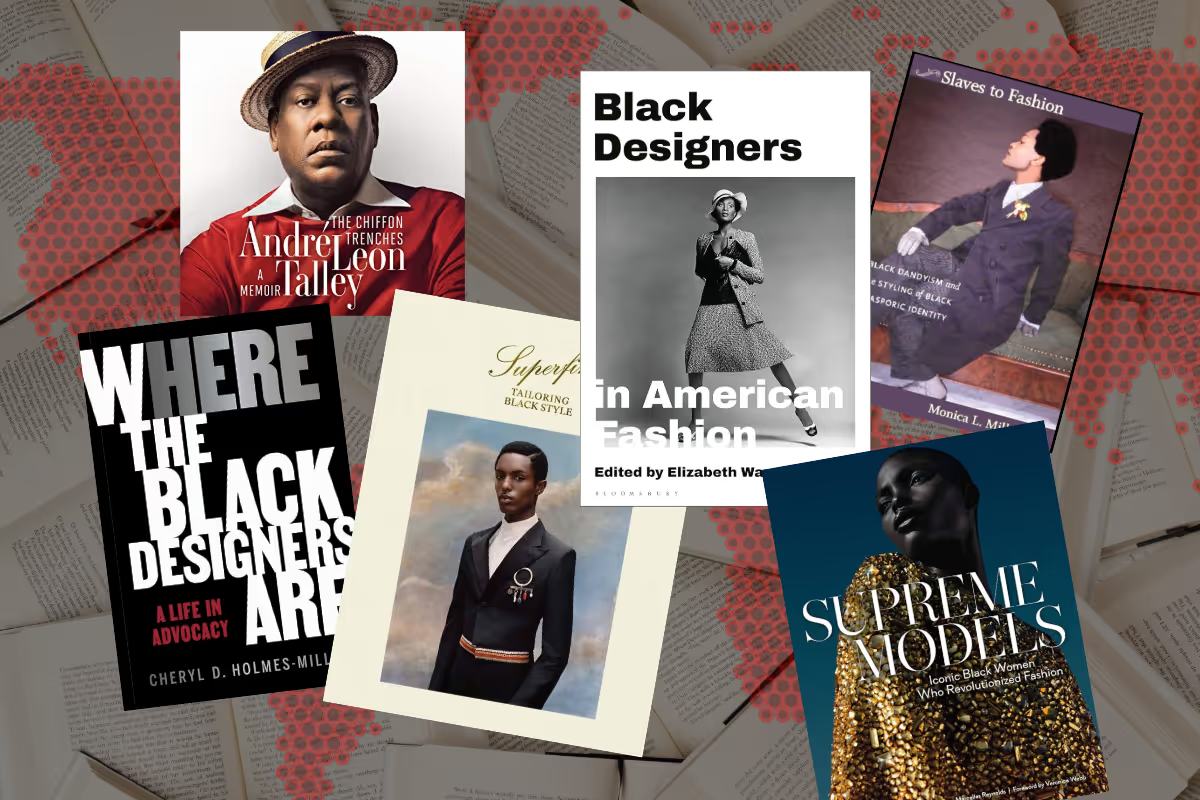
This is why books have historically been such an important tool in human history. Books allow us to see history from different perspectives, and analyze subjects in depth. When we talk about Black history and fashion, there are great books out there that allow us to get closer to this fascinating topic and learn more from professionals in this field.
Without further due, here are some must reads books on Black fashion history
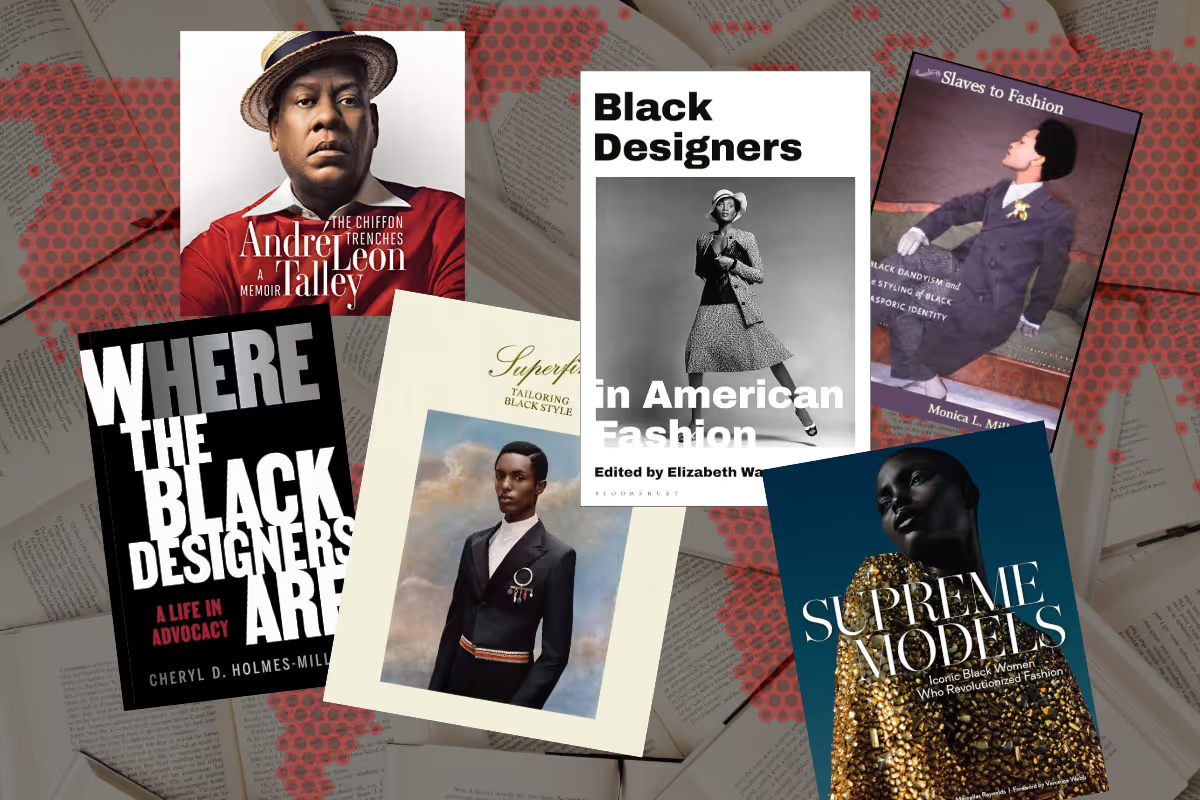
Slaves to Fashion by Monica Miller
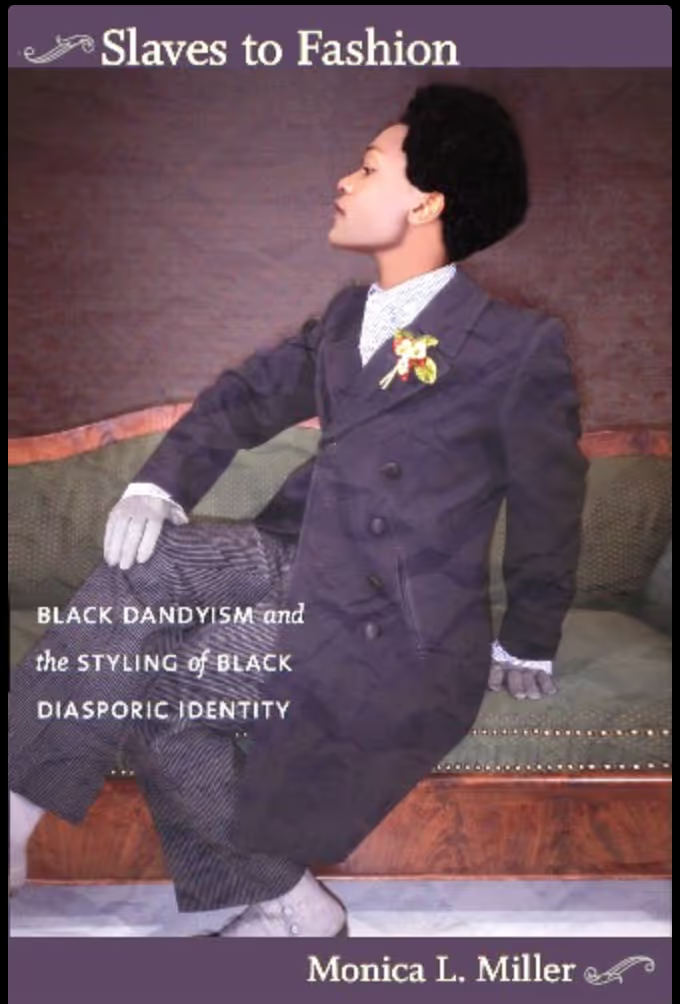
When exploring books about Black fashion history, Monica L. Miller's "Slaves to Fashion: Black Dandyism and the Styling of Black Diasporic Identity" stands as an essential text because it challenges conventional narratives about African American fashion and self-presentation.
This book gained mainstream attention last year even though it was published over fifteen years ago. Miller’s work examines the history of Black fashion through the lens of dandyism, revealing how e Black people used clothing as a powerful form of resistance, identity-building, and cultural expression. The book traces Black aesthetic choices from the 18th century through contemporary culture, making it particularly relevant for Black History Month reading lists and anyone interested in how Black designers and style icons have shaped fashion discourse.
What makes "Slaves to Fashion" exceptional among Black fashion books is Miller's interdisciplinary approach. She weaves together literary analysis, historical research, and cultural criticism to demonstrate how African American style evolution has always been deeply political. The book explores iconic Black fashion moments—from the flamboyant dress of 18th-century dandies to the sharp tailoring of Harlem Renaissance figures—showing how Black people have consistently used fashion to assert dignity, humanity, and creative power in societies that sought to diminish them.
Reading this book will help you understand better the concepts and stories behind many of the 2025 Met Gala looks as it is the base that the Met Museum used to curate the 2025 Costume Exhibit, Superfine, Tailoring Black Style.
Superfine: Tailoring Black Style by Monica Miller
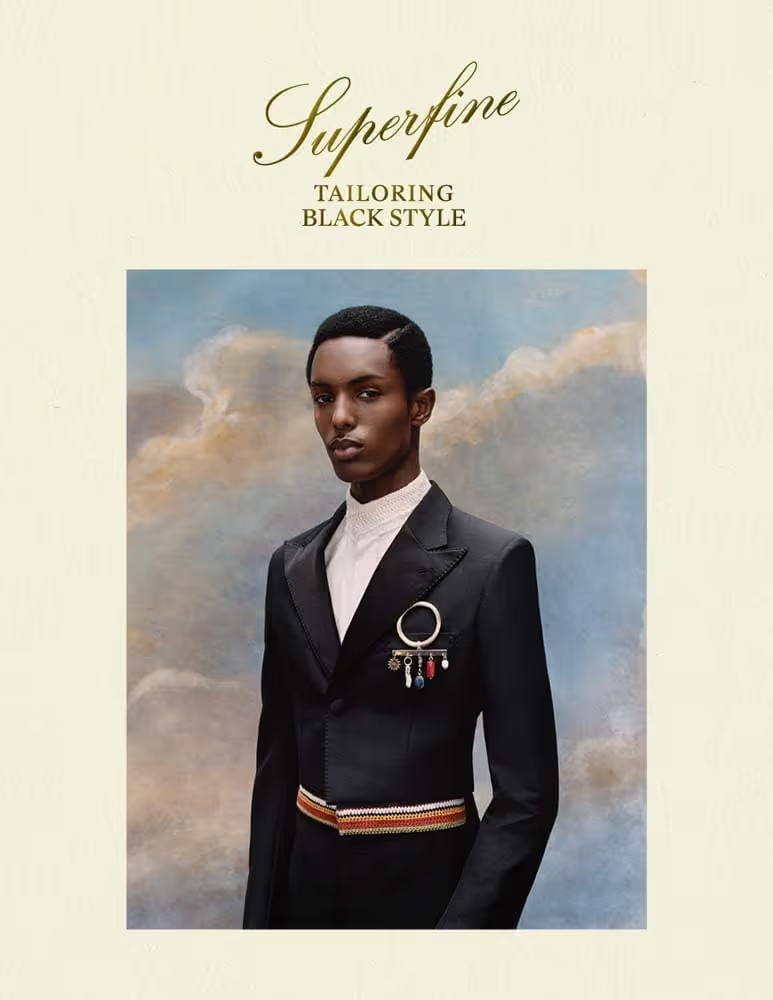
As a yearlong tradition, the Metropolitan museum releases a book edited by the curator of the yearly Costume Exhibit. This is an opportunity to explain further certain details that simply cannot be added in the small plaques at the Museum next to the garments. This is also an opportunity to immortalize the curation of an exhibit for anyone around the world who wants to have access to this information and these clothes anywhere at any time.
Monica Miller is not a non-sense historian who cleverly curated the Costume exhibit blending past, present and future. Featuring uniforms of soldiers from the Haitian revolution and Louis Vuitton suits designed by the late Virgil Abloh, the first Black artist to lead such a big European fashion house. This coffee table book allows readers to understand the cultural relevance of dandyism and how it was used and it is used in many ways until today as a form of celebration and resistance.
Black Designers in American Fashion, edited by Elizabeth Way
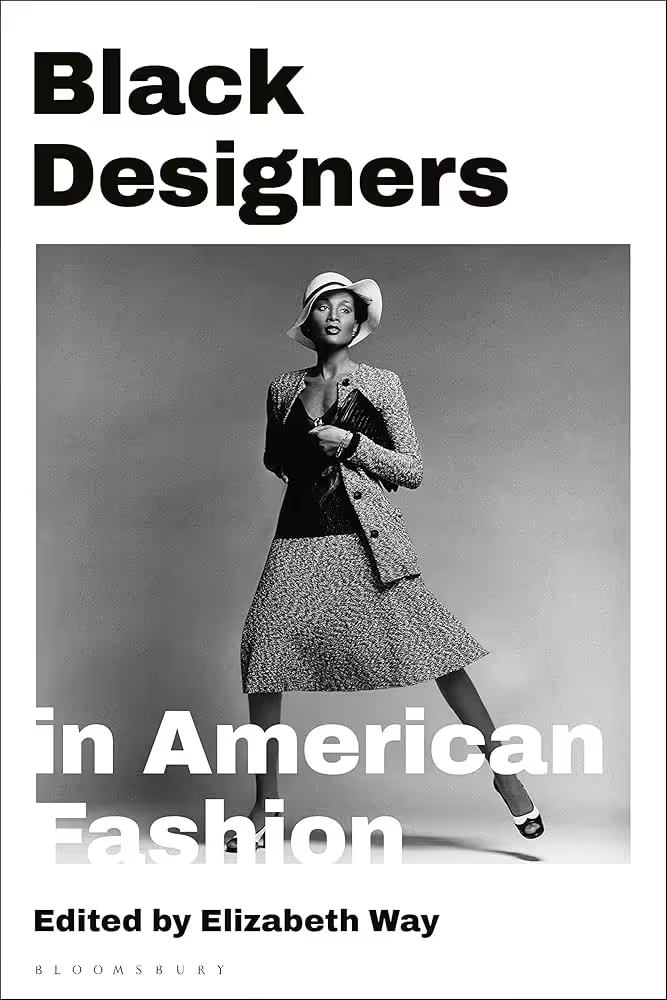
Ever wonder who really built American fashion? This eye-opening book reveals the hidden stories of Black designers who shaped the clothes America is famous for—from the 1700s all the way to today.
You'll meet Elizabeth Keckly, who designed gowns for Mary Todd Lincoln after gaining her freedom from slavery, and Patrick Kelly, whose bold, playful designs took Paris by storm in the 1980s. But this book goes beyond the famous names. It uncovers the stories of enslaved dressmakers whose skills were stolen, independent shop owners who built their own businesses during segregation, and the countless workers on New York's Seventh Avenue who helped create iconic American style.
What makes this book special is how it connects fashion to bigger moments in American history—slavery, the Civil Rights Movement, and ongoing fights for recognition and equality. These designers didn't just make beautiful clothes. They created art and built careers while navigating incredibly difficult circumstances, and their influence is still everywhere in fashion today.
If you've been following conversations about diversity and representation in fashion, this book shows you why those discussions matter. It fills in the gaps that history books left blank and gives credit where it's long overdue.
Supreme Models: Iconic Black Women Who Revolutionized Fashion by Marcellas Reynolds
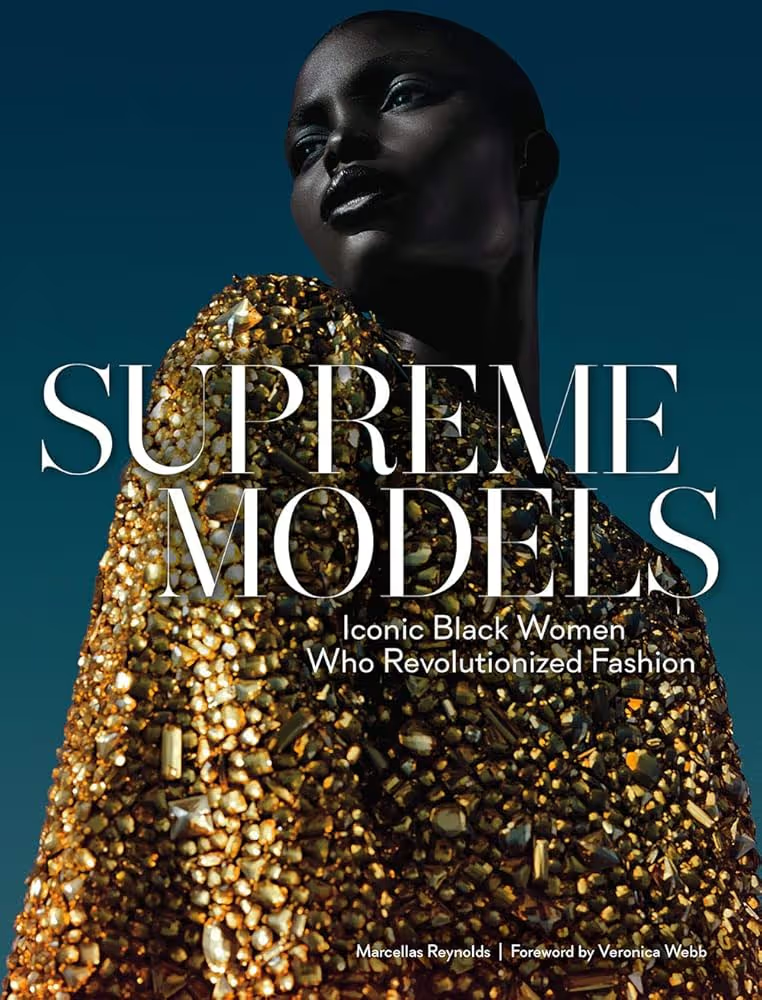
For far too long, there has been a one dimensional definition of beauty in the fashion industry, one that excludes people from different walks of life in the narrative of what fashion entails. Supreme Models reclaims this narrative by telling the stories of trailblazers who have played an important role as models of color. Beverly Johnson, Tyra Banks, Iman and so many other names and stories that have been overlooked by mainstream fashion historians.
This is a coffee table book rich with information, beautiful pictures and extraordinary stories that is perfect for gifts, for inspiration and for knowing more about the fascinating models of color who over the last decades have paved the way for a more inclusive and just fashion industry.
The Chiffon Trenches by Andre Leon Talley

André Leon Talley was far more than his impressive titles: American journalist, Vogue editor, fashion icon. He was a trailblazer who broke barriers and shaped the industry from the inside. Talley became the first Black man to sit front row at Paris Fashion Week representing American journalism, claiming space in a world that had long excluded voices like his.
His influence extended deep into the creative process itself. As a close friend and advisor to Karl Lagerfeld, Talley shared the designer's passion for 18th and 19th century French fashion. Their relationship was so significant that Lagerfeld would make major edits to his collections based on Talley's guidance—a testament to the trust and respect between them.
The Chiffon Trenches offers readers an intimate look behind the glamorous curtain of high fashion. The memoir reveals the private conversations, industry politics, and personal relationships that shaped decades of fashion history. For anyone fascinated by the power dynamics, creative collaborations, and untold stories of the fashion world, Talley's account provides rare insider access to moments that defined an era.
Here: Where the Black Designers Are? By Cheryl D. Holmes-Miller
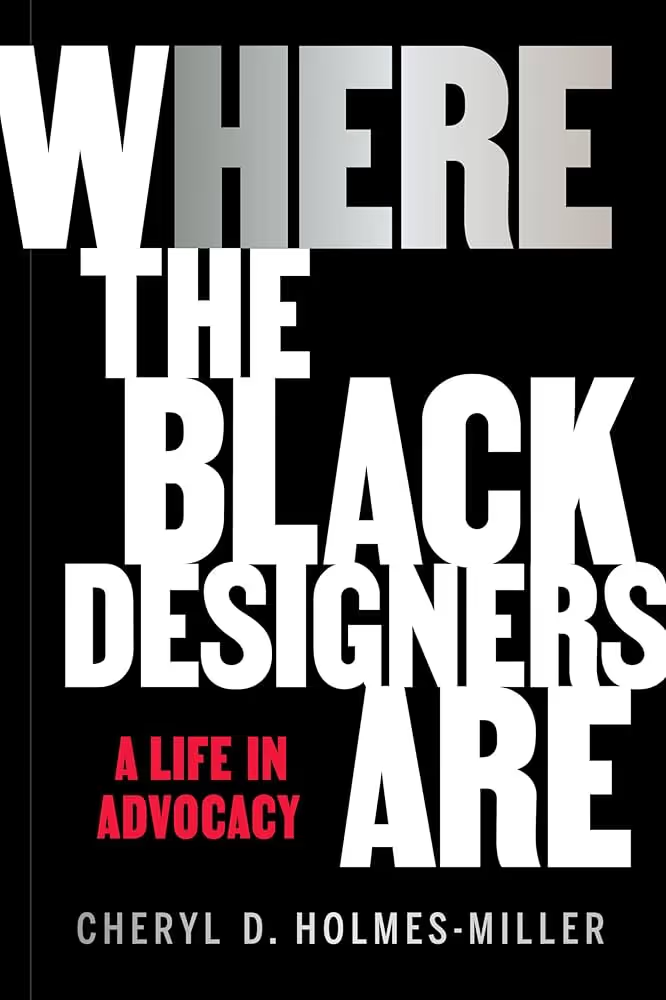
For all creatives in any industry that is not specific to fashion, this book will be a source of inspiration from a giant in the graphic design industry whose conviction in making more space and creating opportunities for people of color allowed her to make this her central thesis for her master’s in Pratt.
For decades, Cheryl D. Holmes-Miller has been asking the design world a question it couldn't ignore: "Where are the Black designers?" This groundbreaking book finally documents her lifelong search for answers; and the larger questions that came with it. Where did Black designers originate? What work have they been doing? And why have their contributions been erased from design history?
Holmes-Miller is a legendary figure in the design field, respected for her scholarship, activism, and willingness to challenge the profession's blind spots. In this long-awaited book, she traces her own journey from design student at prestigious institutions like Rhode Island School of Design and Pratt Institute to successful studio owner working with major clients including NASA, Time Inc., and Black Entertainment Television in its early days.
Her influential Pratt thesis examined the barriers Black designers faced in achieving recognition and success—research that became foundational to conversations about diversity in design. Later, through her critical writing in publications like Print magazine, she continued pushing the industry to confront its exclusions and biases.
But this isn't just one person's story. Holmes-Miller also chronicles fifty years of collective effort by scholars and advocates working to identify, celebrate, and preserve the histories of Black designers who helped shape American visual culture.
Black History Month offers an opportunity to engage with these stories, but the learning shouldn't stop when February ends. These books deserve space on shelves year-round, in classrooms, studios, and conversations about who gets to create, who gets remembered, and whose contributions get celebrated.
Consider supporting your local independent bookstore when seeking out these titles. Small bookshops, especially Black-owned ones, often curate thoughtful collections and create community spaces where these conversations can continue beyond the page. Buying from them means investing not just in a book, but in the ongoing work of preserving and celebrating the stories that have been overlooked for far too long.
.jpeg)