A signature American pair of jeans is $10 more expensive than it was twelve months ago. General prices of American clothing went up this year by between 4% and 8% as many brands attempted to absorb the costs of tariffs and the war in Iran. Over the past few months, we have also witnessed the unease that AI has brought to the fashion industry and how workers are trying to welcome new technology without losing the human touch. A pair of jeans is the result of decisions related to tariffs, foreign relations, immigration policies, wealth distribution and transparency — all of which were among the topics voters considered most as they decided to participate in the 2026 midterm elections.
In many ways, fashion illustrates the three most pressing issues voters were weighing as they headed to the polls this election cycle: Affordability, Artificial Intelligence and Accountability. Fashion is one of the few industries where all three meet in one object. It's imported and priced accordingly, it's increasingly automated, and it depends on trust. So let's unravel the insights of these election results and how these issues will shape the future of American fashion.
Affordability
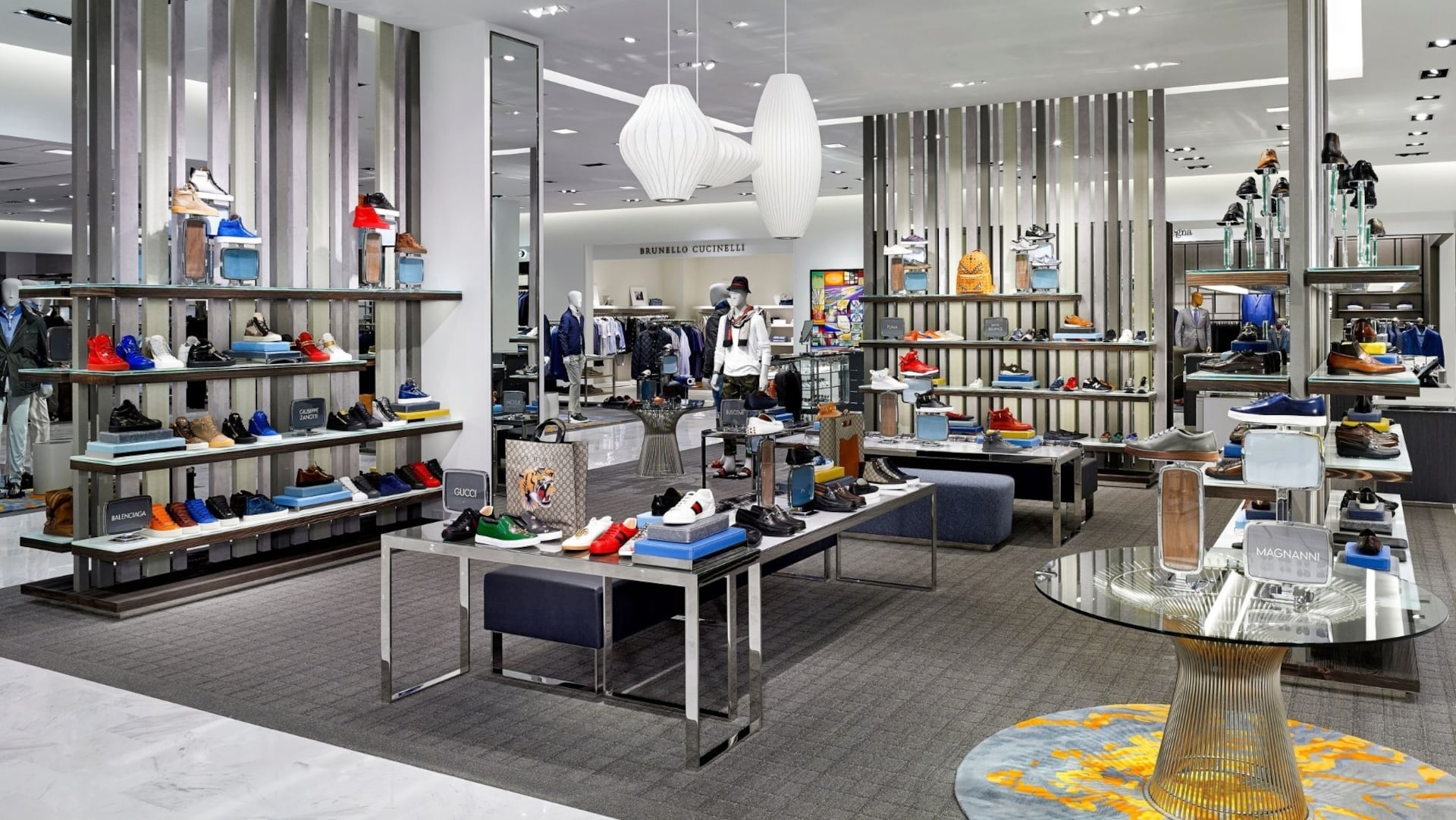
A typical pair of American jeans is made in Pakistan, most of the zippers come from China, the textiles come from India, and the laser distressing or dyeing usually takes place at a specialized partner laundry. So a pair of jeans is the result of numerous shipments of fabrics, pieces and finished jeans to America. All of these shipments travel by boat, train or airplane, burning fuel, so transporting the clothes becomes a significant expense for American businesses.
When an American retailer decides to raise the price of a pair of jeans by $10, it is not a small decision. Consumers notice the change in the price tags, and they will decide whether to shop or not. These price increases are the result of tariffs that destabilized the entire fashion ecosystem, as well as the war in Iran. Physical crude prices topped $140 a barrel this April due to major supply disruptions in the Middle East and the closure of the Strait of Hormuz.
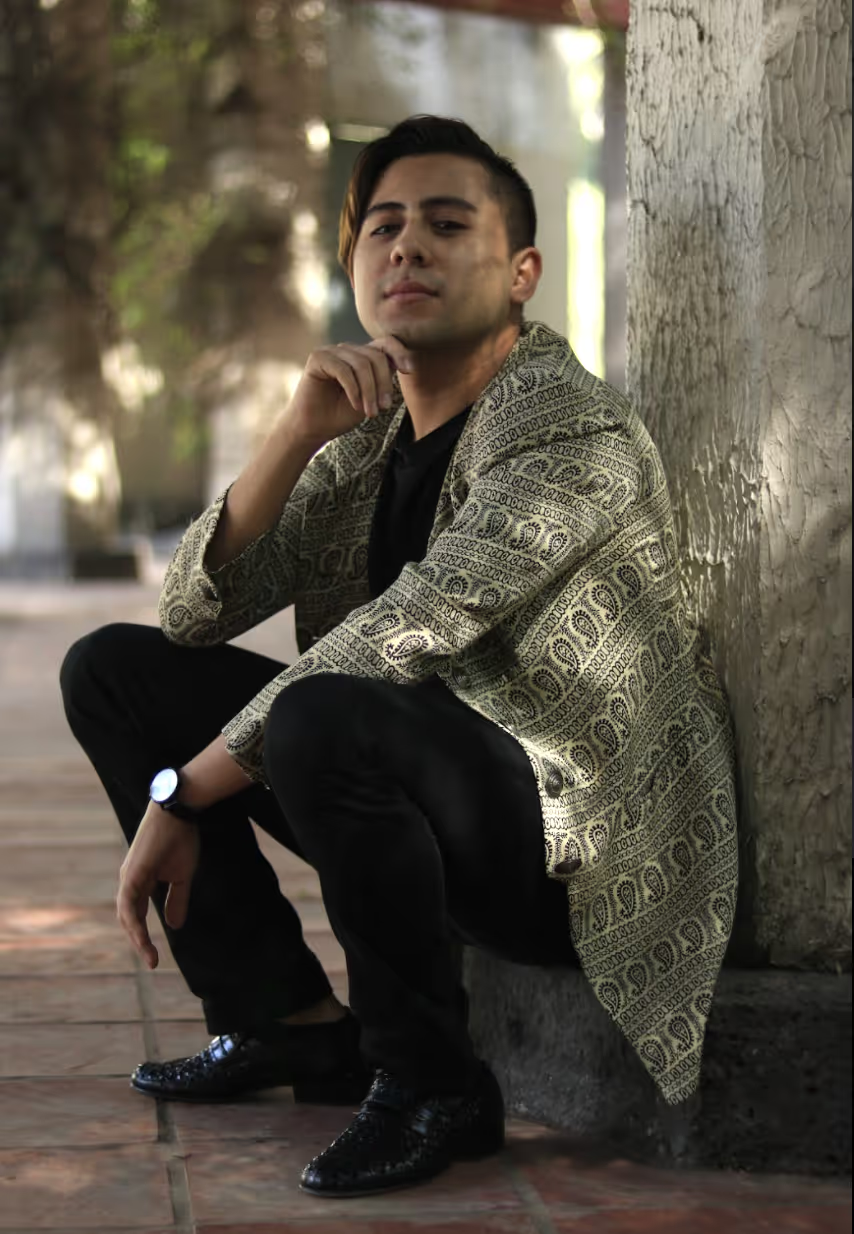
“This year, it’s killing me,” said Cho, who imports textile goods from India to the United States. He explained that he lost much of his inventory because of the high cost of transporting it. He acknowledged the economic challenges but said he is eager to keep doing the work needed to sustain himself. Cho’s business includes handbags, home decor, pajamas and fashion accessories.
With the economy as the number one issue for voters across rural and urban areas, from deeply conservative districts to strongly liberal communities, people are eager to see their elected officials push to address rising costs at the federal and local levels. Voters are seeing changes in their state legislatures that they have not seen in years: Democrats won new trifectas in Nevada, Michigan, Minnesota, Wisconsin and Pennsylvania.
"Voters did not speak at the polls, they shouted at the polls," said Maya Wiley, President and CEO of The Leadership Conference on Civil and Human Rights.
There are over 720,000 small businesses across the United States related to fashion and fashion accessories. From independent designers, artisans and textile makers to accessory designers, shoemakers and beauty entrepreneurs, all of these businesses will be directly affected by their local economies and the decisions elected officials make on their behalf.
But the price tag isn't the only thing changing. Behind the campaign that sold you those jeans, and the power grid that keeps the online store running, a new cost is building up, and voters noticed that too.
Artificial Intelligence

Thirty-five percent of voters listed the construction of AI data centers as an extremely important issue, according to a Gallup poll from October. It isn't necessarily about whether someone uses AI on a regular basis or not. A Cornell University study shows that data centers consume as much electricity as medium-sized cities, and low-income and rural residents are disproportionately bearing the costs.
Data centers are growing quickly, increasing electricity costs for many communities across the country, regardless of whether residents use a chatbot for everyday tasks or are strongly against the use of any form of AI. Each person still pays the cost one way or another.
At the same time, the rise of AI is destabilizing an already unstable fashion industry, shaking up the processes of creators, editors, photographers, designers, patternmakers, illustrators, videographers and writers. The job uncertainty that AI has brought to many fields is prevalent in the fashion world.
"The disruption of certain sectors by AI is much more unpredictable than people think," New York Assemblymember and Who Decides AI founder Alex Bores explained exclusively to Political Fashion. "They used to say that the arts won't be disrupted because they are creative, and yet we are seeing people turning to AI-generated images when they used to turn to an actual photoshoot. You are eliminating a whole sweep of jobs."
A Vogue Business poll published last spring shows that only 24% of customers think AI-generated images and videos for fashion brand campaigns can be as valuable as human-made ones. There is a clear disconnect between what fashion customers, who are also voters, want and what they are receiving when it comes to artificial intelligence.
Fashion customers are rejecting, in large numbers, the idea of artificial intelligence in creative roles, and voters are concerned about the economic and health costs that data centers are bringing to their communities. Their concerns have been expressed, but the question of what happens next, and what can be done, remains. "I'd like us to not lower our ambitions and ask for one or two things. There is so much work that we need to do, and we need to realize how interconnected all of these fights are and be supporting each other against an incredibly well-funded opposition that wants to continue to [have] unbridled control," said Bores.
Whether it's a data center going up in a small town or an AI-generated model replacing a photoshoot, the question underneath is the same: who decided, and who answers for it?
Accountability
"Can we maybe use this occasion to put to rest the absolutely idiotic question that so many people in the media are asking about whether we're going to pursue affordability questions and economic questions or we're going to investigate corruption and do oversight? These are the exact same thing, basically." — Rep. Jamie Raskin
Accountability is defined as the quality or state of being responsible, answerable or liable for your actions, decisions and commitments. Zooming out from the definition, there are two main levels of accountability that are widely discussed: government accountability and corporate accountability.
In the fashion industry, there has been a growing movement pushing for more transparency and accountability, calling on corporations to disclose what clothes are made of and who makes them. By law, clothes sold in the United States must be labeled with their fiber content and country of origin. But there is plenty of room for brands to mislead customers, and customers are starting to notice. For instance, polyester clothing has been causing a stir online over the last year. The idea of wearing an oil-based material treated with chemicals and often dyed with hazardous substances known to be carcinogenic is not sitting well with a lot of young customers. So brands have turned to recycled polyester, promoting it as an eco-friendly and healthy alternative to conventional polyester. In reality, recycled polyester is made from plastic bottles, not old clothes; it has a very small likelihood of being recycled again; and it is often mixed with cotton and other fibers.
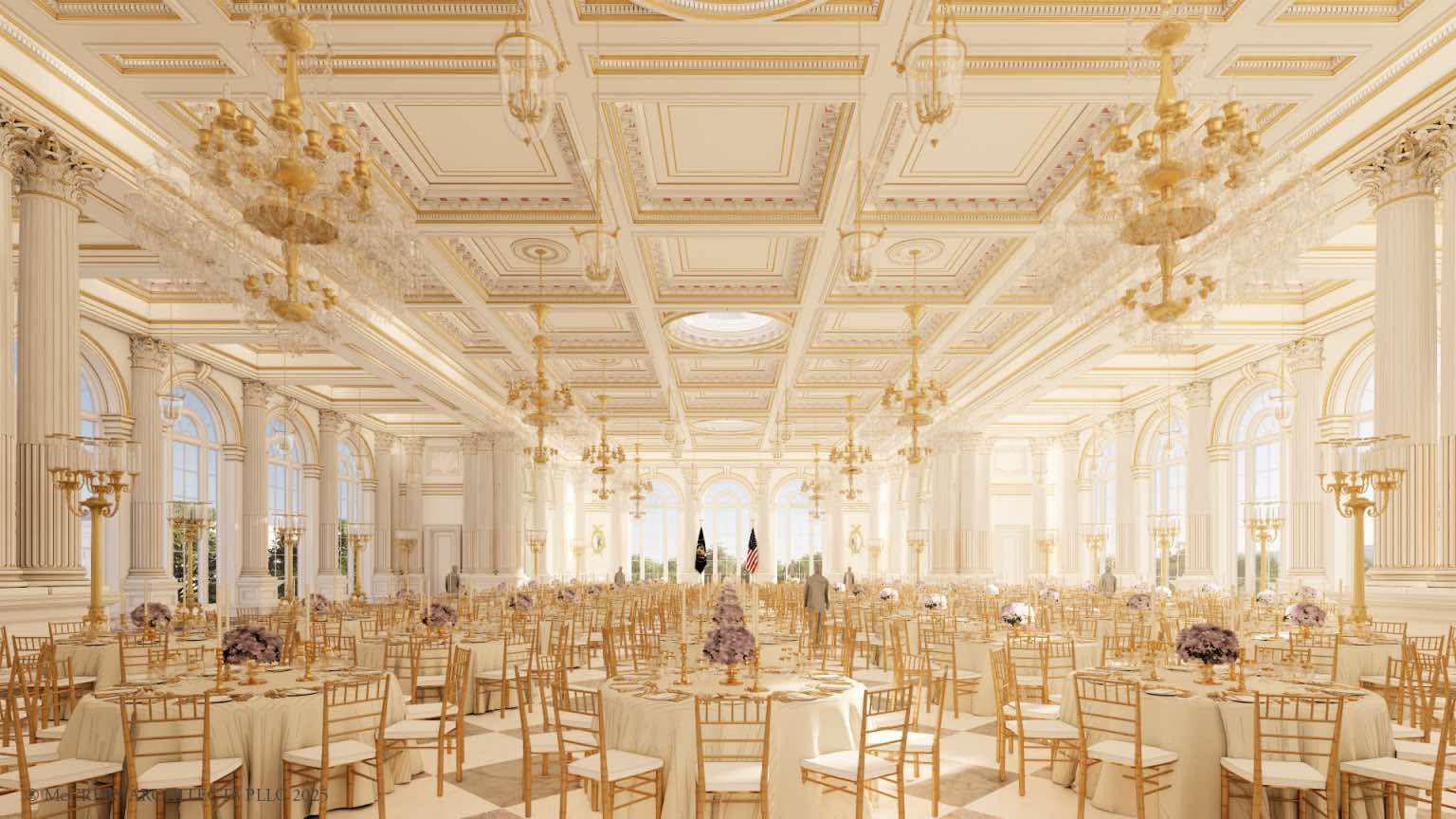
Customers are reading labels, checking receipts and calling out brands online. These scenarios in the fashion world are no different from the political scenario. Voters want to know who is paying for a $600 million White House ballroom, why Qatar gifted a $400 million luxury plane to the President, and who is benefiting from a $45 million military parade and an $85 million UFC event at the White House.
The instinct is the same at the register and at the ballot box. The same generation that flips over a tag to see where a shirt was made is asking where its tax dollars go. Shoppers and voters are asking for the same thing: a label they can trust.
What Comes Next
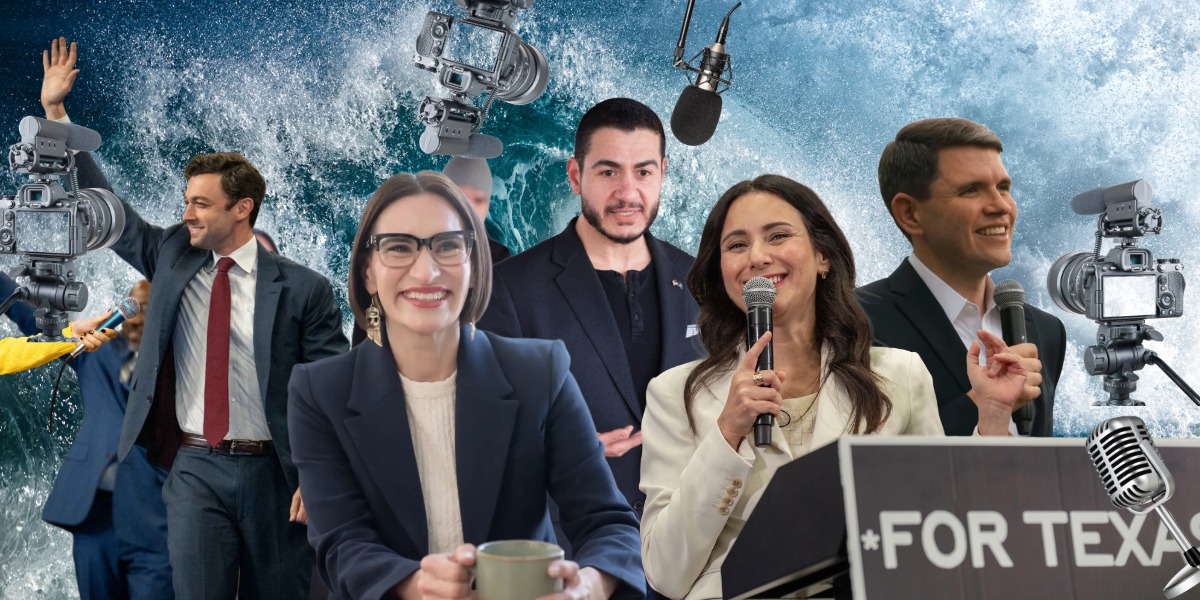
These fresh perspectives in leadership matter. Democrat Scott Colom made history as Mississippi's first Black senator since 1881, Deb Haaland of New Mexico will be the first Native American woman governor, Abdul El-Sayed will be the first Muslim senator in the history of the U.S., and Keisha Lance Bottoms became the first Black woman ever elected governor of a U.S. state.
But it's not just about electing officials to public office one more time. As SEIU President April Verrett framed it during the Popular Mandate conference in Washington, D.C.: "It was working people that showed this country who holds the power." If voters turning out at the second-highest midterm rate in more than a century, elected a new class of leaders from historically underrepresented communities, with a clear understanding of the issues shaping their lives, what comes next?
What comes next will show up where this story started: a pair of jeans. Whether that $10 increase holds, whether the next campaign is shot by a photographer or generated by a machine, and whether the tag tells the truth about what's inside will depend on the decisions these leaders make, and on whether voters keep reading the labels long after Election Day.
Voters checked the price tag at the polls. Now they'll be checking the receipt.